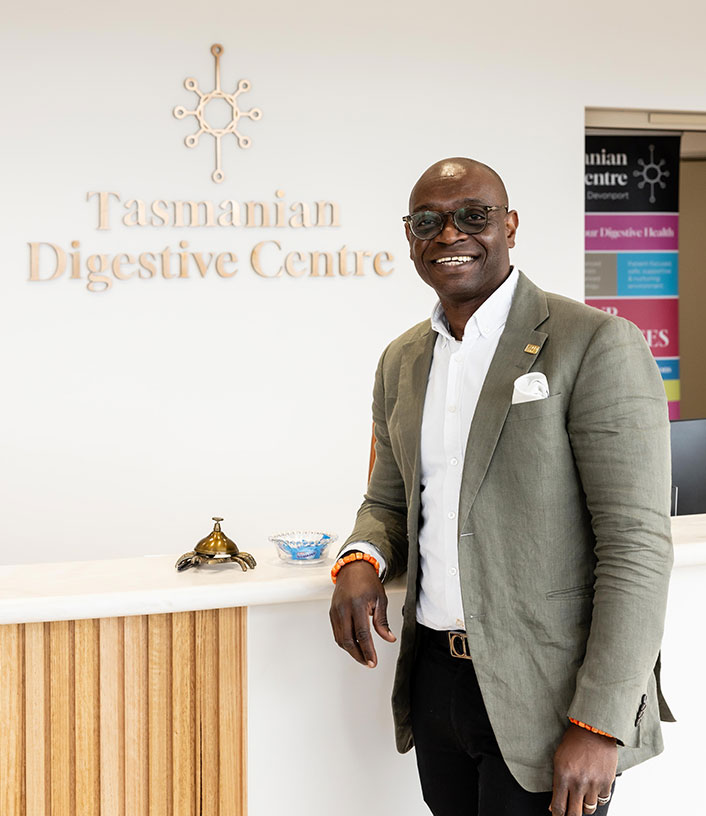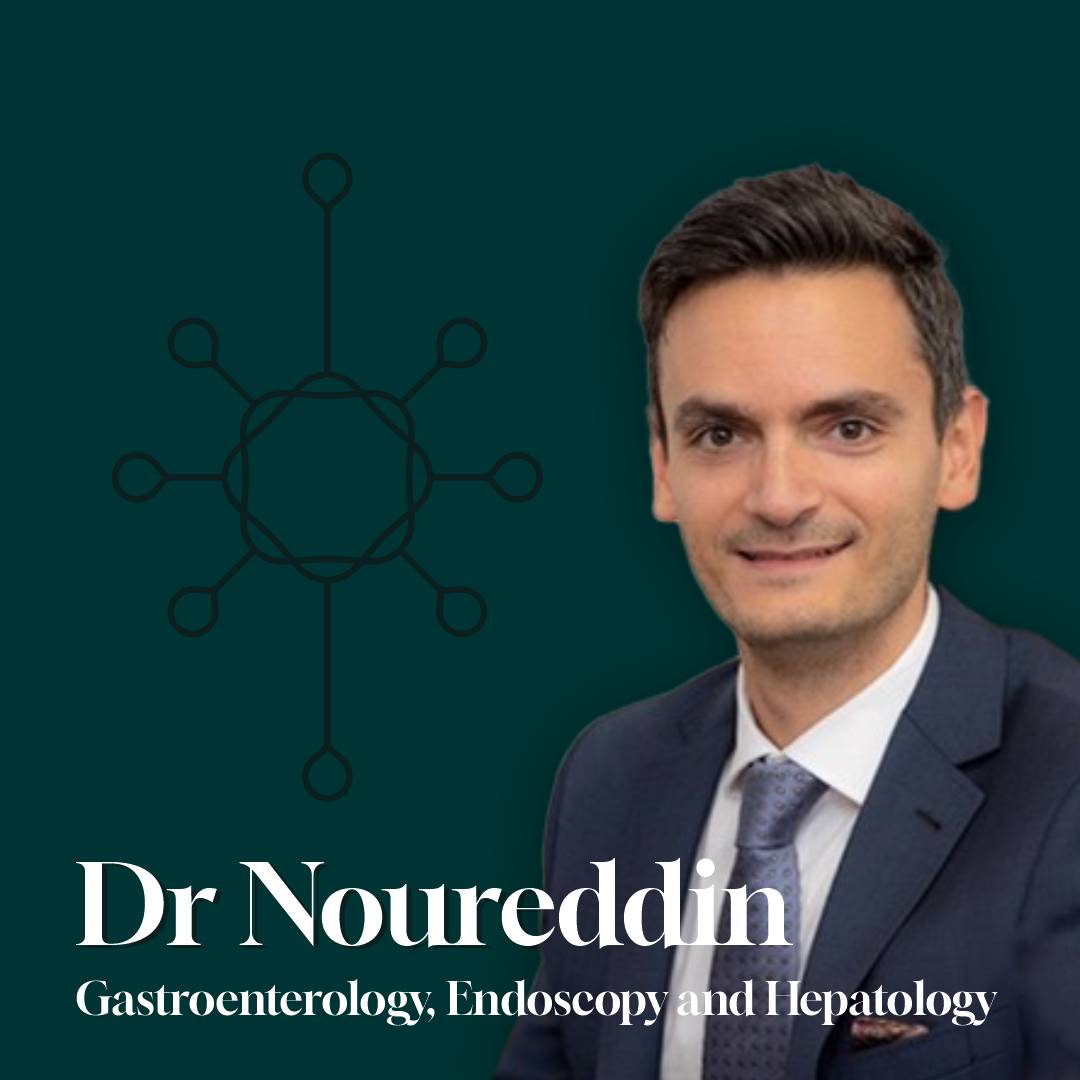
Doctor Nwaba

Gastroenterologist & Hepatologist

is breaking new ground in Devonport

Doctor Nwaba

Gastroenterologist & Hepatologist

is breaking new ground in Devonport

A brand new, first of its kind
Digestive Centre

Renowned for his unwavering

empathy and clinical excellence,

Dr Nwaba is committed to delivering

world-class care and personal touch.

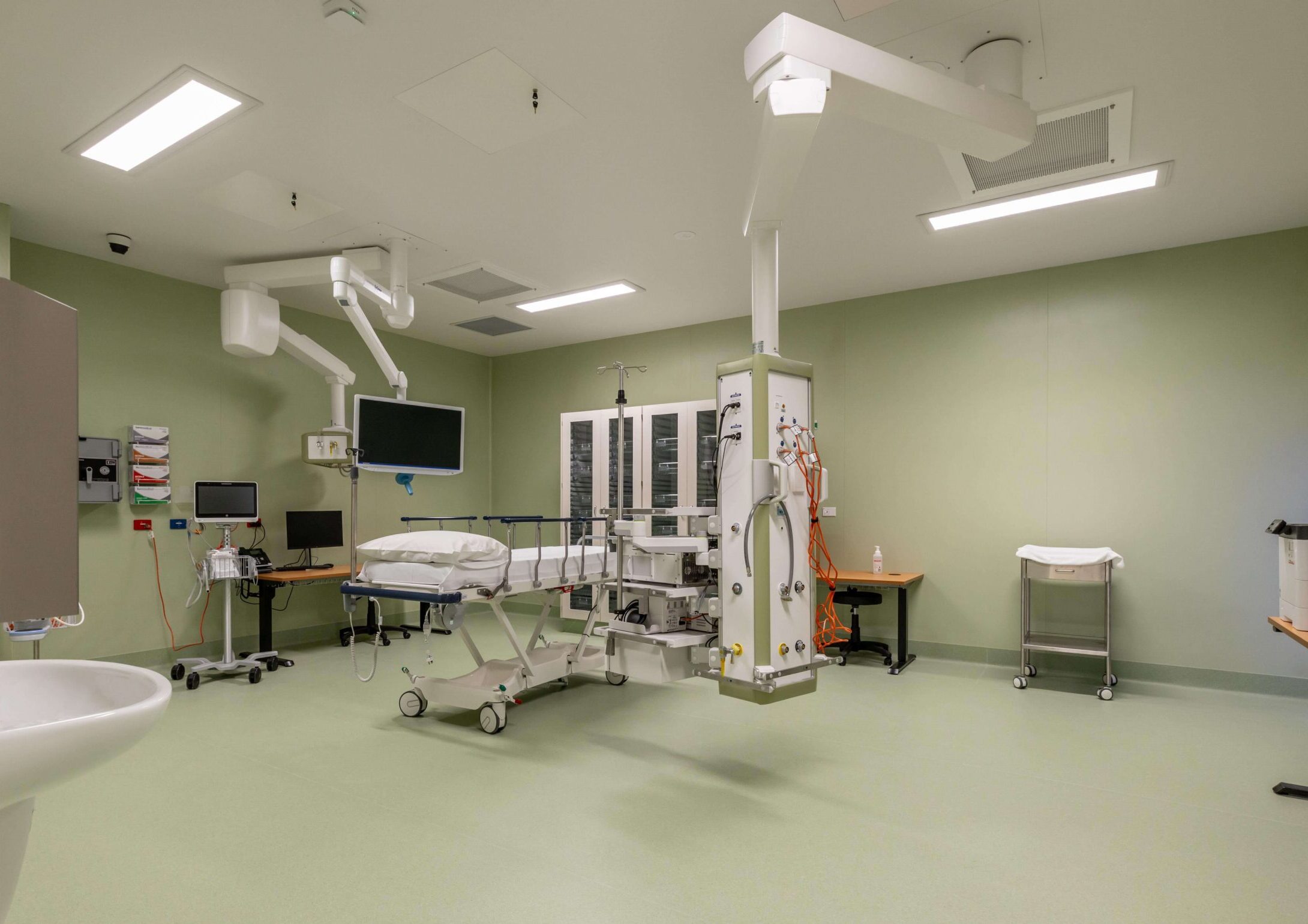
Your very own day hospital with consulting,
pathology and two advanced endoscopy theatres.

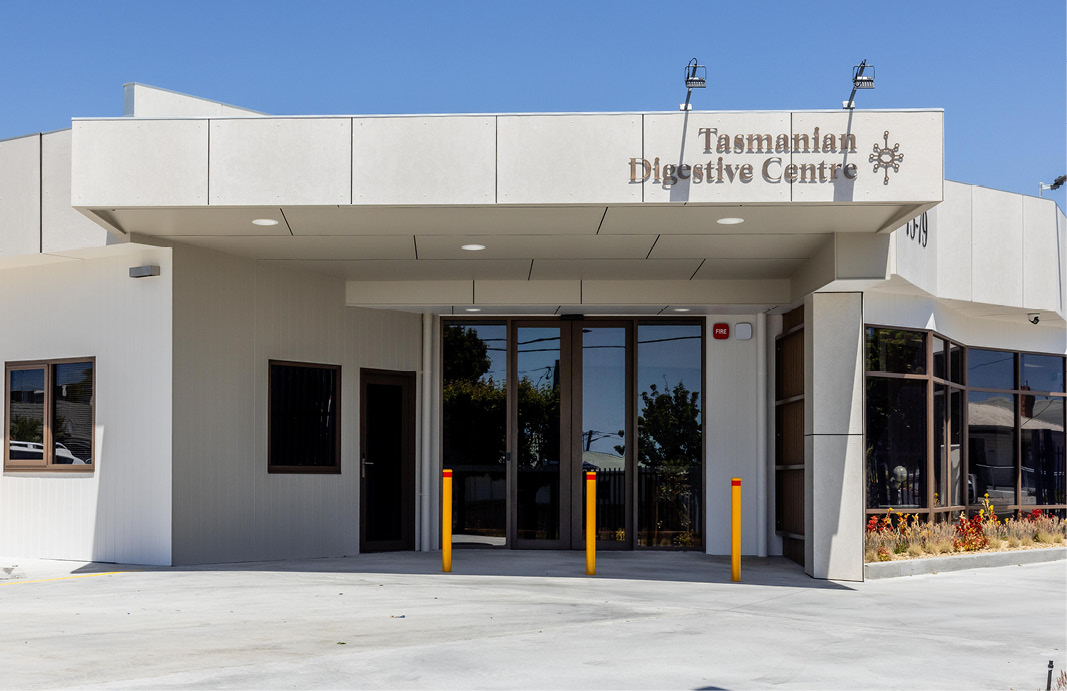
A brand new, first of its kind Digestive Centre

Renowned for his unwavering empathy and clinical excellence, Dr Nwaba is committed to delivering world-class care and personal touch.

Your very own day hospital with consulting, pathology and two advanced endoscopy theatres.

A brand new, first of its kind
Digestive Centre

Renowned for his unwavering empathy and clinical excellence, Dr Nwaba is committed to delivering world-class care and personal touch.

Your very own day hospital with consulting, pathology and two advanced endoscopy theatres.

Tasmanian
Digestive Centre

75-79 Oldaker Street
Devonport

Tasmanian
Digestive Centre

75-79 Oldaker Street
Devonport
Get ready
to feel good
Get ready
to feel good

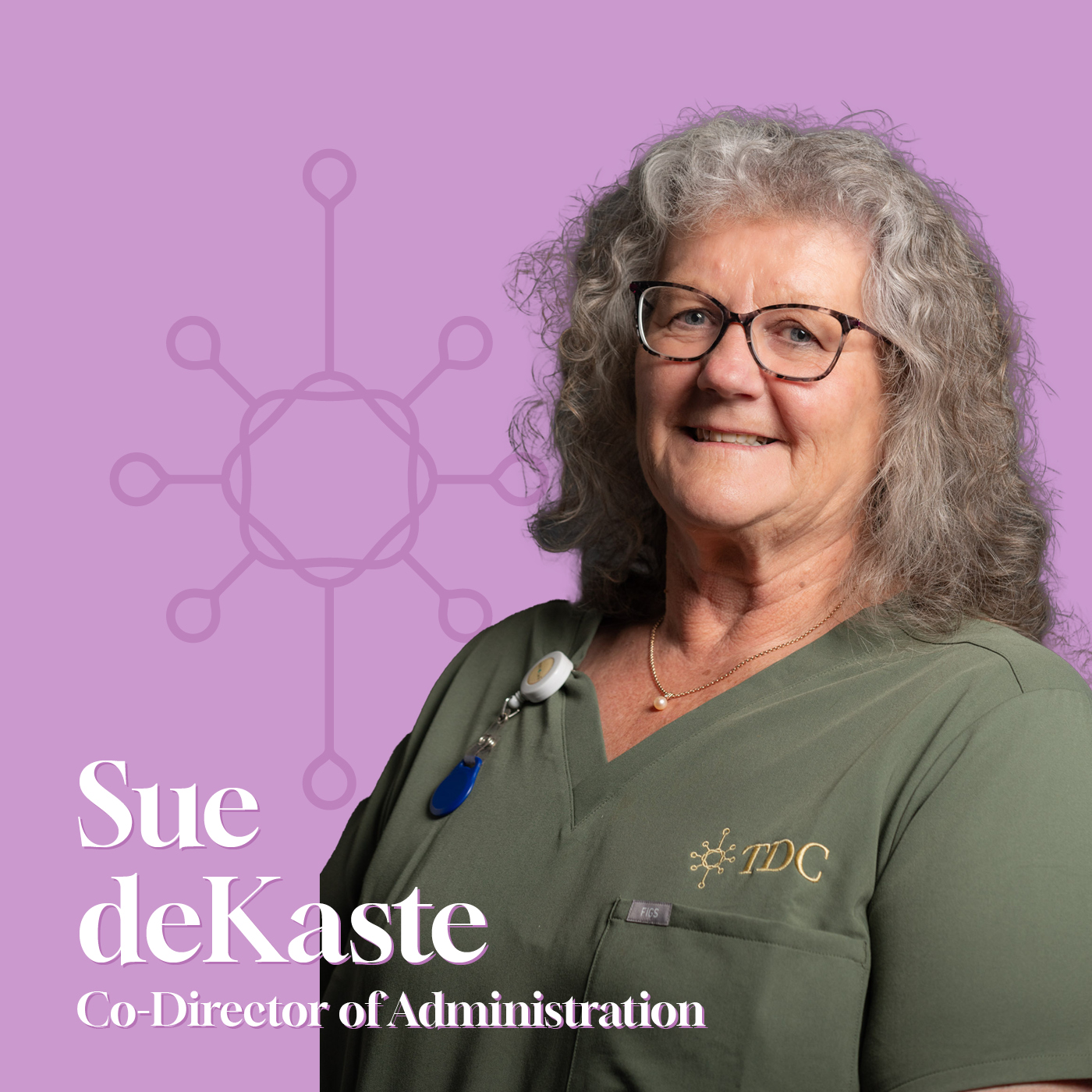
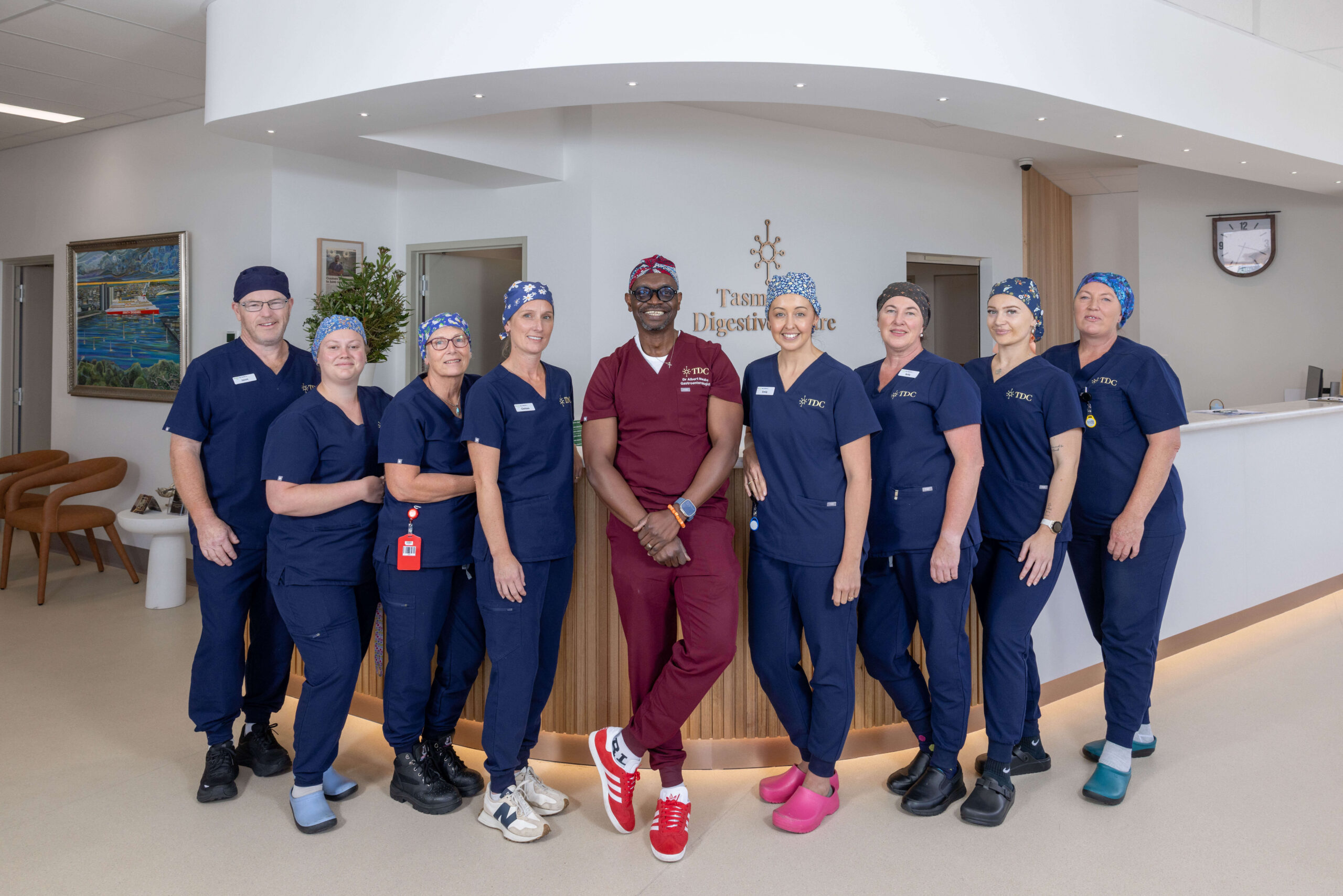
Meet the Team

Meet the Team

We are excited to help you

We are excited to help you

Procedures

Diagnostic & Therapeutic Gastroscopy (also called upper endoscopy or esophagogastroduodenoscopy (EGD)) is a procedure where a doctor inserts a thin, flexible tube with a camera into your upper digestive tract to diagnose and/or treat conditions of the oesophagus, stomach, and duodenum. While a diagnostic gastroscopy uses the endoscope solely to examine the area for problems, a therapeutic gastroscopy allows for interventions like removing polyps, stopping bleeding, dilating strictures, or placing stents during the same procedure

A diagnostic and therapeutic colonoscopy is a medical procedure that uses a flexible tube with a camera to both examine the large intestine for abnormalities and to perform treatments at the same time. While it can diagnose conditions like polyps and cancer, it can also treat them by removing polyps, controlling bleeding, removing obstructions, and taking biopsies, all through the colonoscope itself 

Capsule endoscopy, or Pillcam, is a non-invasive procedure to examine the small intestine by swallowing a pill-sized capsule containing a camera, light, and transmitter. The capsule travels through the digestive tract, capturing thousands of images transmitted to a portable data recorder worn by the patient. It’s primarily used to find sources of bleeding, tumors, or inflammatory bowel disease (IBD) in the small bowel, especially when other tests like colonoscopies are inconclusive. After the procedure, the capsule is passed naturally in the stool and does not need to be retrieved.

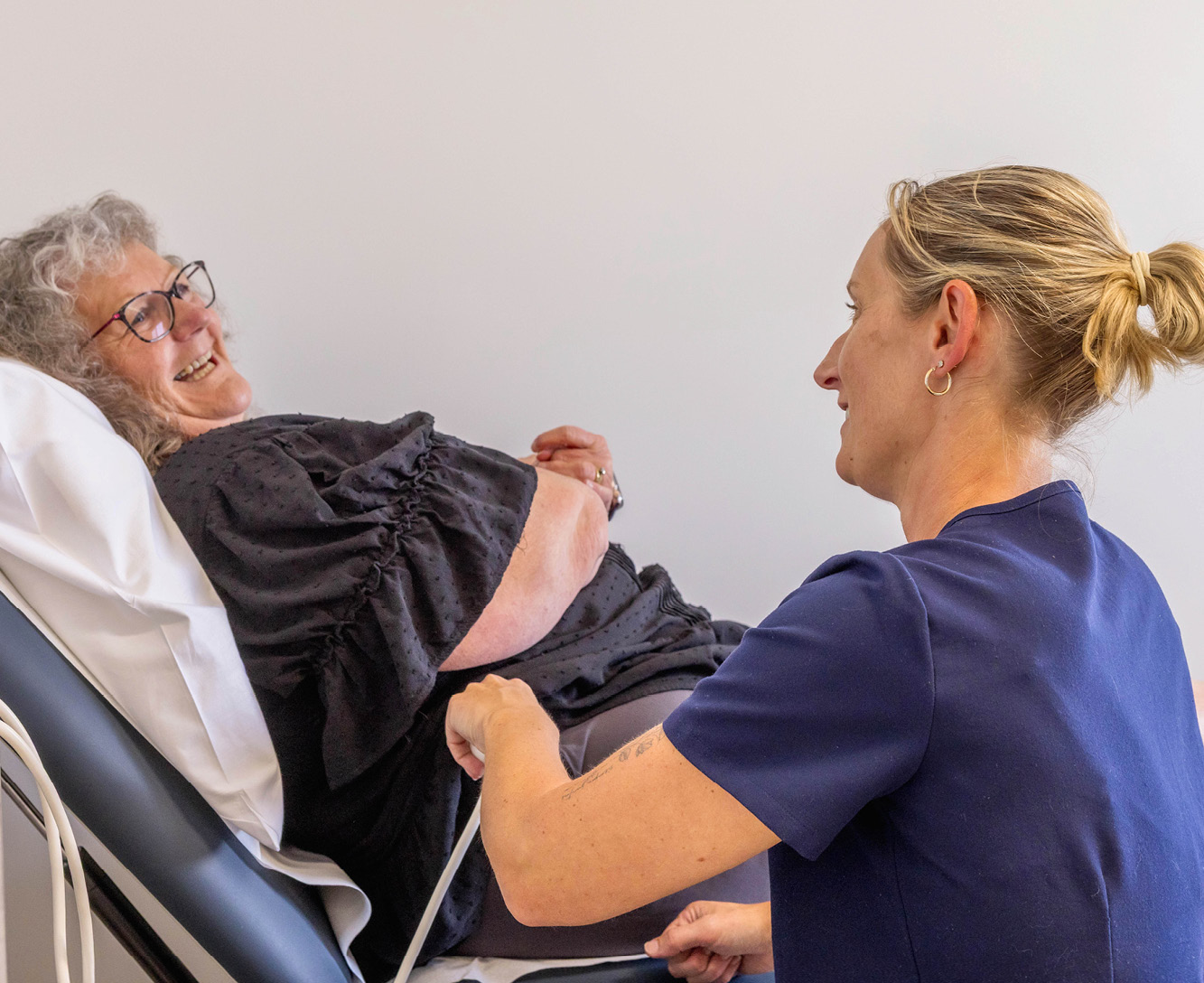
A FibroScan is a non-invasive medical test that uses ultrasound technology to measure the stiffness and estimate the amount of fat (steatosis) in the liver, which can indicate scarring (fibrosis) or cirrhosis. Similar to an ultrasound, it uses a probe to send sound waves into the liver, but instead of a picture, it provides an immediate numerical score indicating liver stiffness. The test is painless, takes about 15 minutes, and helps doctors diagnose and monitor liver disease progression, such as from viral hepatitis or fatty liver disease, without the need for a liver biopsy

At the Tasmanian Digestive Centre, patients benefit from the convenience of onsite pathology services, making the process of diagnosis and treatment smoother and more efficient. If your doctor requires blood tests or other pathology investigations, these can be completed during your visit, without the need to travel to another location. Results are sent directly to your treating specialist, ensuring timely review and allowing your care plan to progress without unnecessary delays. This streamlined service means less running around for patients and more coordinated, efficient care.

Specialist Care for Your Digestive Health. At the Tasmanian Digestive Centre, we provide world-class digestive health care in a modern, comfortable day hospital setting. Our team of medical, surgical, and allied health specialists are here to support you every step of the way.

Services

To see a medical or surgical specialist in Australia, you typically need a referral from your GP to access Medicare rebates, though you can see one privately without one. Specialists are experts in specific medical areas, working in public and private hospitals, and clinics. A valid referral letter, signed by your GP and including relevant patient information, is required to apply for a Medicare rebate for the consultation.

Specialist allied health consultations involve receiving expert advice and treatment from health professionals such as physiotherapists, psychologists, dietitians, and occupational therapists, who are not doctors or nurses, to manage various health conditions. Access to these consultations can be through a referral from a GP, with potential Medicare subsidisation for eligible services, or via private health insurance or out-of-pocket payments. To prepare for a consultation, it is helpful to take a list of your symptoms, current medications, and any questions you have for the practitioner.

A blood transfusion is a medical procedure to replace blood or blood components lost due to trauma, surgery, or certain medical conditions, such as anemia or cancer. Donated blood is administered intravenously over 1-4 hours by a healthcare provider who monitors for reactions. While generally safe, risks include allergic reactions, fever, or, rarely, serious immune responses to incompatible blood.

Iron infusions deliver iron directly into the bloodstream to quickly treat iron deficiency anemia, while biologic infusions involve administering genetically-engineered proteins to target specific parts of the immune system for conditions like Crohn’s disease or rheumatoid arthritis. In some cases, like in inflammatory bowel disease (IBD) patients, these infusions can be given on the same day. Common side effects for iron infusions include mild nausea, dizziness, or aches, and the process is generally safe. Biologic infusions may require more time and may be delayed if the patient has an infection, as they can affect the immune system.

Chronic Disease Management (CDM) is a coordinated care approach for people with long-term conditions, such as heart disease, diabetes, or asthma. It involves a General Practitioner Management Plan (GPMP) outlining care goals, and can include Team Care Arrangements (TCAs) to access Medicare-subsidised allied health services like physiotherapy and dietetics. To manage a chronic condition, you should regularly see your doctor, follow a healthy lifestyle with a balanced diet and regular exercise, and take your prescribed medications.

Helicobacter Urea Breath Test is a non-invasive diagnostic tool used to detect Helicobacter pylori (H. pylori) infection, which can lead to digestive disorders such as gastritis (inflammation of the mucous membrane of the stomach) or ulcers in the stomach and small intestine. The test is painless and non-invasive and takes about 20 minutes to complete.

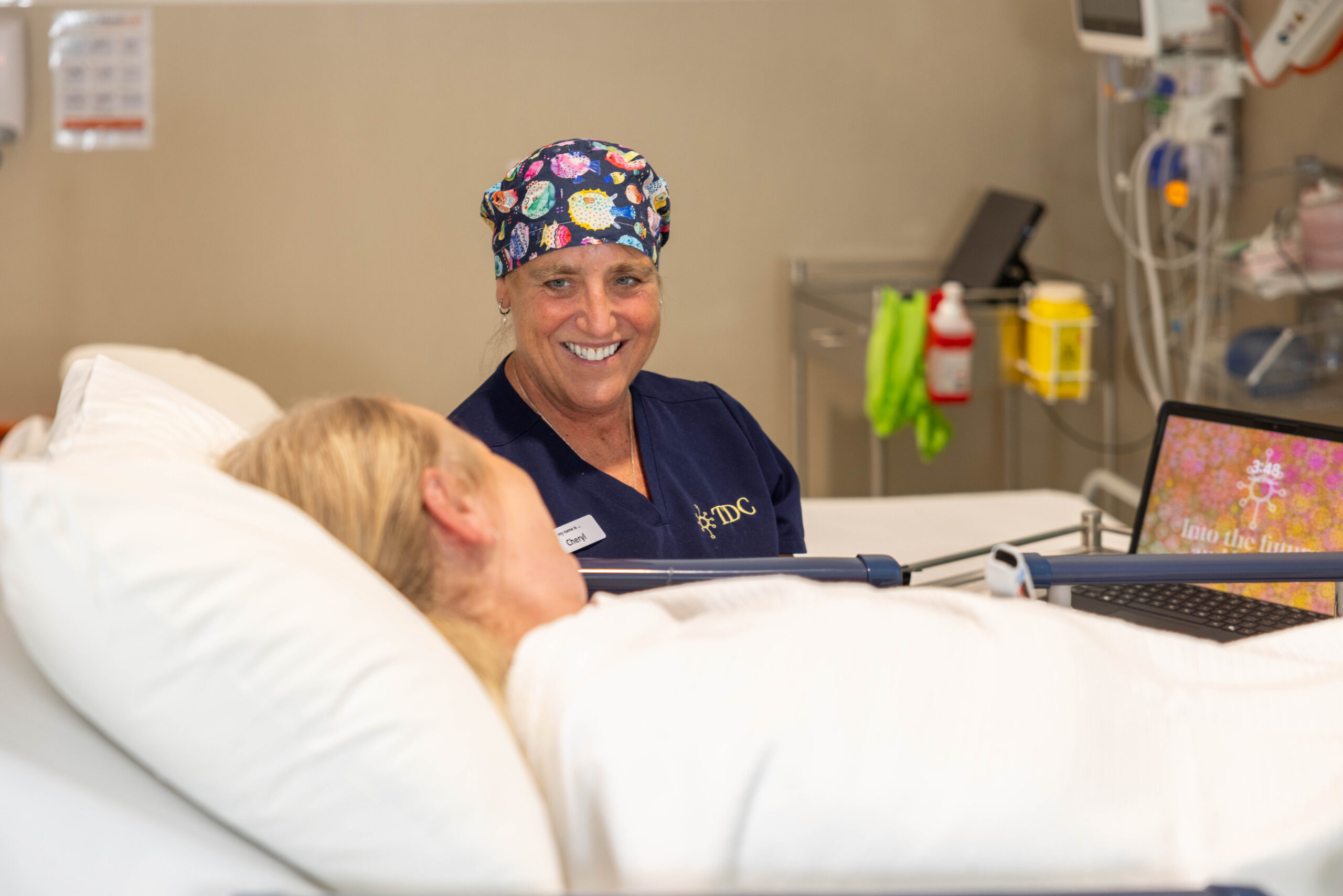
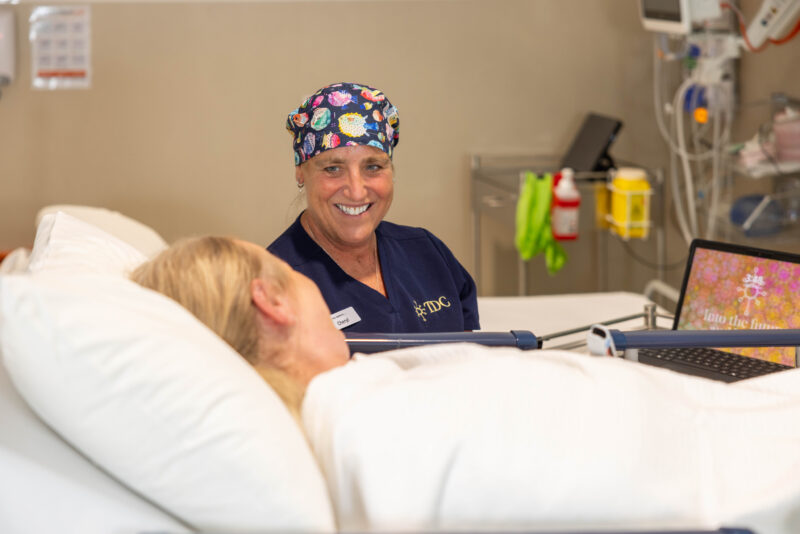
At Tasmanian Digestive Centre you can expect world-class care in a safe, welcoming environment. We combine state-of-the-art facilities and the latest medical equipment with highly skilled staff who are specially trained in their fields. Every detail of your care is guided by expertise and compassion, ensuring you receive the highest standard of treatment in a modern, comfortable patient focused setting.

Our Mission Statement

Our Mission Statement

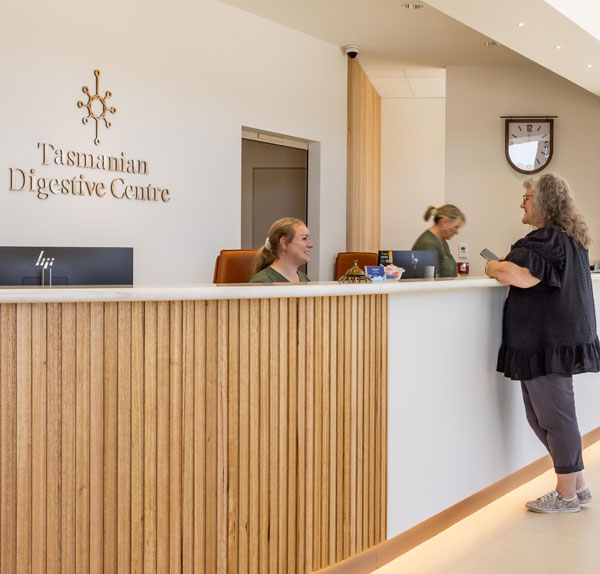
At the Tasmanian Digestive Centre, we provide compassionate, patient-centred care in our state-of-the-art facility. Our mission is to empower our patients with the knowledge and support they need to navigate their digestive health journeys. Our goal is to enhance the quality of life for our patients by promoting digestive health and well-being through exceptional medical care and education. We strive to create a welcoming and empathetic environment, where our experienced team of healthcare professionals collaborates with patients to deliver tailored treatment options and innovative solutions. Located in the heart of Northern Tasmania, we are committed to fostering a community of trust and understanding, where every individual feels heard, valued, and cared for. Together, we will work towards a healthier future for all in our community.

At the Tasmanian Digestive Centre, we provide compassionate, patient-centred care in our state-of-the-art facility. Our mission is to empower our patients with the knowledge and support they need to navigate their digestive health journeys. Our goal is to enhance the quality of life for our patients by promoting digestive health and well-being through exceptional medical care and education. We strive to create a welcoming and empathetic environment, where our experienced team of healthcare professionals collaborates with patients to deliver tailored treatment options and innovative solutions. Located in the heart of Northern Tasmania, we are committed to fostering a community of trust and understanding, where every individual feels heard, valued, and cared for. Together, we will work towards a healthier future for all in our community.

Reference

“Dr Nwaba was professional and knowledgeable. He took his time explaining the procedures, the preparation required (he provided a very comprehensive handout) and any risks. On the day of the procedures he was personable. He did see me after the procedure in recovery to explain what he found and the next steps. I would recommend Dr Nwaba.”

Reference

“I was well informed, everything was explained to me in an easy to understand way. I felt comfortable trusting in Dr Nwaba. After the procedure Dr Nwaba came to see me and set my mind at ease knowing the out come. Extremely happy with my whole experience.”

Reference

“I found Dr Nwaba to be very professional, yet caring and friendly. Dr Nwaba explained the procedure well, and when I was waiting to go into the surgical room, he came and calmed my nerves with a big smile and a kind tone of voice. I would not hesitate to recommend Dr Nwaba to anyone 🙂”


Reference

“Dr Nwaba was professional and knowledgeable. He took his time explaining the procedures, the preparation required (he provided a very comprehensive handout) and any risks. On the day of the procedures he was personable. He did see me after the procedure in recovery to explain what he found and the next steps. I would recommend Dr Nwaba.”

Reference

“I was well informed, everything was explained to me in an easy to understand way. I felt comfortable trusting in Dr Nwaba. After the procedure Dr Nwaba came to see me and set my mind at ease knowing the out come. Extremely happy with my whole experience.”

Reference

“I found Dr Nwaba to be very professional, yet caring and friendly. Dr Nwaba explained the procedure well, and when I was waiting to go into the surgical room, he came and calmed my nerves with a big smile and a kind tone of voice. I would not hesitate to recommend Dr Nwaba to anyone 🙂”

The Tasmanian Digestive Centre
represents a commitment to excellence
in patient care, offering a holistic approach
to digestive health

The Tasmanian Digestive Centre
represents a commitment to excellence in patient care, offering a holistic approach to digestive health

Tasmanian
Digestive Centre

75-79 Oldaker Street, Devonport

Tasmanian
Digestive Centre

75-79 Oldaker Street, Devonport

Patient Safety & Quality

Patient Safety & Quality

The NSQHS Standards

The National Safety and Quality Health Service (NSQHS) Standards
provide a nationally consistent statement of the level of care consumers
can expect from health service organisations.

The Tasmanian Digestive Centre has systems in place that support the reliability, safety, and quality of care. The Tasmanian Digestive Centre has a Clinical Governance framework that provides the overarching detail for implementing all other National Safety and Quality Health Service Standards effectively. The Clinical Governance Standard highlights the critical role of governance, leadership, culture, patient safety systems, clinical performance, and the care environment in achieving high-quality health care.

Open Disclosure

At the Tasmanian Digestive Centre, Open Disclosure is the process of engaging in open and transparent communication with patients, carers, or family support persons following an adverse or unexpected event, regardless of whether it results in harm. We recognise that Open Disclosure is both a patient right and a fundamental professional and organisational responsibility.
Our policy aligns with The Australian Open Disclosure Framework, which provides an ethical guide to ensure our staff communicate with patients and, where appropriate, their support persons in an open, honest, and empathetic manner about incidents and their potential impact on patient care.

My Healthcare Rights

Australian Charter of Healthcare Rights

At the Tasmanian Digestive Centre, we are committed to the Partnering with Consumers Standard, which ensures that our patients and community are at the heart of everything we do. We actively involve consumers in the planning, design, delivery, measurement, and evaluation of our systems and services, while also supporting patients to be partners in their own care to the extent that they choose. We recognise the importance of clear, open communication and collaboration with patients, and, together with the Clinical Governance Standard, this approach forms the foundation for the successful implementation of all other standards.

Patient Experiences

At the Tasmanian Digestive Centre, patient feedback is highly valued as it helps us continuously improve the care and services we provide. We actively encourage feedback from both patients and their carers. Every patient is given the opportunity to provide feedback following their procedure, either verbally or in writing. Patients may also request direct contact with our Director of Nursing to discuss any specific concerns or questions.

At the Tasmanian Digestive Centre, we are committed to safeguarding our patients, consumers, and workforce by reducing the risk of preventable infections. We follow strict AS5369 guidelines and maintain a comprehensive infection control program that includes stringent hand hygiene practices and ongoing staff education. Our approach ensures infections are effectively managed if they occur, antimicrobial resistance is prevented and contained, and antimicrobials are prescribed and used appropriately through strong stewardship practices. We also emphasise the sustainable use of infection prevention and control resources to support the highest standards of safety and care.

Tasmanian Digestive Centre staff understand the importance of the Medication Safety Standard, and are committed to ensuring that all medicines are prescribed, dispensed, and administered safely and appropriately, with ongoing monitoring of their use. We prioritise keeping our patients informed about their medicines, helping them to understand their needs and any potential risks. To maintain the highest level of safety, our staff undertake mandatory education and training in medication safety, and we place great importance on building strong connections with our patients. By working in partnership, we ensure medication safety is upheld at every stage of care.

The Comprehensive Care Standard, which ensures every patient receives care tailored to their individual needs, goals, and circumstances is of great importance to the Tasmanian Digestive Centre. We recognise that health issues can affect many aspects of a person’s life and wellbeing, and we work closely with patients to provide care that is both clinically appropriate and aligned with their expressed goals. Our approach to comprehensive care is coordinated and patient-centred, focusing not only on treatment but also on the prevention and management of risks during care. This includes strategies to address some risks like falls and pressure injuries. By integrating these processes, we strive to provide safe, effective, and holistic care that supports the best possible outcomes for our patients.

Tasmanian Digestive Centre staff are committed to the Communicating for Safety Standard, which ensures that communication and documentation are always clear, timely, and purposeful to support safe, coordinated, and continuous care. We recognise that effective communication is vital at every stage of a patient’s journey, especially during high-risk moments such as care transitions, when critical information changes, and when confirming patient identification and procedure checking. Our systems and processes are designed to ensure essential information is accurately communicated and recorded in each patient’s healthcare record, helping us deliver the safest and most reliable care possible.

Tasmanian Digestive Centre’s commitment to the Blood Management Standard ensures the safe handling, administration, and monitoring of blood and blood product administration. Our processes are designed to maintain the highest levels of safety and quality, including correct patient identification, accurate documentation, and adherence to strict protocols at every stage of care. We prioritise staff education and competency in blood management practices to reduce risks and ensure patients receive safe, effective treatment when blood products are required.

Recognising and Responding to Acute Deterioration. At the Tasmanian Digestive Centre, the Recognising and Responding to Acute Deterioration Standard ensures that any signs of a patient’s deterioration are promptly identified and managed with appropriate and timely action. Acute deterioration may involve changes in a patient’s physical condition, cognition, or mental state. Our staff are highly skilled and receive ongoing training in the detection of deterioration and the escalation of care, ensuring patients receive a rapid and effective response when their condition changes.

The Tasmanian Digestive Centre has a comprehensive infection prevention and control program in place. Our facility and staff are regularly audited to ensure compliance with national infection prevention and control guidelines, Australian Standards for reprocessing reusable instruments, and the ACSQHC National Safety and Quality Health Service Standards. We work closely with our staff, patients, and visitors to prevent the transmission of infectious agents. This is achieved through ongoing staff and patient education, promotion of hand hygiene, stringent surveillance, staff immunisation, and the implementation of evidence-based infection control practices.

At the Tasmanian Digestive Centre, our medication safety strategies are designed to prevent medicine-related incidents and enhance the safety and quality of medication use. Our staff are trained in identifying risks and managing incidents to ensure medicines are used safely. A medication error is defined as any mistake in prescribing, dispensing, or administering medication that results in failure to meet the following criteria: right patient, right drug, right dose, right route, and right time.

At the Tasmanian Digestive Centre, Patient Incidents and Near Misses include all events that may affect patient safety, including those that do not result in harm-such as a medication error with no adverse effect, a slip or fall without injury, potential accidents, lack of consent, or a blood product near miss. These events are monitored, reported, and reviewed, with actions taken to address any trends or outliers to continuously improve patient safety.

Why Choose Us?

Comprehensive care
in one location.

Experienced specialists and
advanced technology.

Patient-focused, safe, and
supportive environment.

Specialist Care for Your Digestive Health.
At the Tasmanian Digestive Centre, we provide world-class
digestive health care in a modern, comfortable day hospital
setting. Our team of medical, surgical, and allied health
specialists are here to support you every step of the way.

Specialist Care for Your Digestive Health. At the Tasmanian Digestive Centre, we provide world-class digestive health care in a modern, comfortable day hospital setting. Our team of medical, surgical, and allied health specialists are here to support you every step of the way.

Why Choose Us?

Comprehensive care in one location.

Experienced specialists and advanced technology.

Patient-focused, safe, and supportive environment.

Specialist Care for Your Digestive Health. At the Tasmanian Digestive Centre, we provide world-class digestive health care in a modern, comfortable day hospital setting. Our team of medical, surgical, and allied health specialists are here to support you every step of the way.
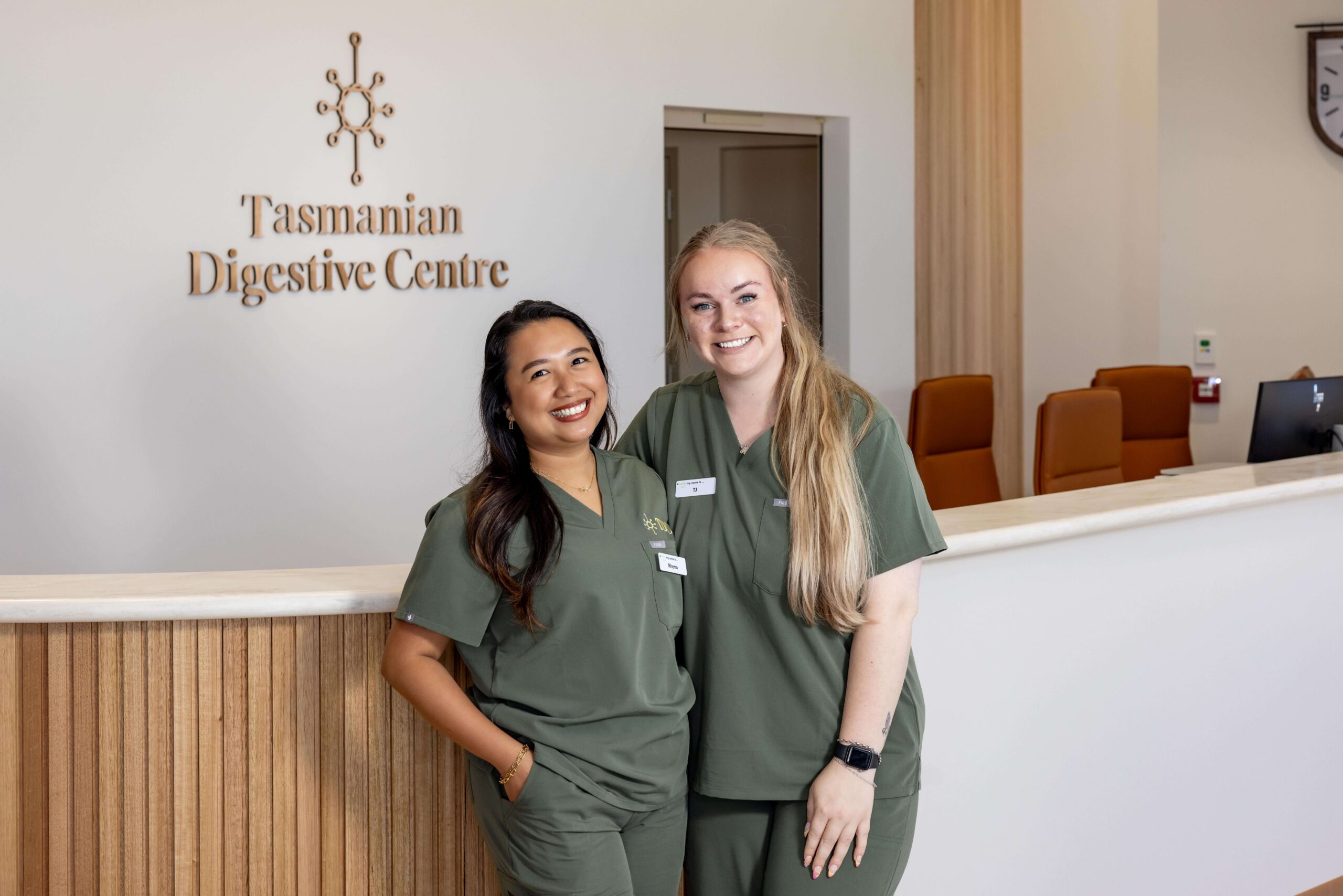

Take the Next Step
Your digestive health matters.

Take the Next Step
Your digestive health matters.

Take the Next Step
Your digestive health matters.

Ask your GP for a referral to the Tasmanian Digestive Centre
and book your consultation today.

Ask your GP for a referral to the Tasmanian Digestive Centre and book your consultation today.

Ask your GP for a referral to the Tasmanian Digestive Centre and book your consultation today.

How did we go?

How did we go?

How did we go?